Dealing with lice infestations can be a frustrating and embarrassing experience. Once lice eggs, also known as nits, find their way into your hair, preventing them from hatching becomes difficult. While various Lice treatments and remedies are available, most will not affect the eggs. knowing how to prevent lice infestation is essential for maintaining long-term control over infestations. In this article, we’ll explore practical strategies to keep lice eggs at bay and maintain healthy, lice-free hair.
Lice eggs are tiny, oval-shaped structures that attach firmly to individual hair strands close to the scalp. Adult lice lay them and typically hatch within 7 to 9 days, releasing nymphs (young lice) that grow into mature adults within 10 days. To prevent a lice infestation from worsening, it’s crucial to disrupt the life cycle of lice by preventing the nymphs from transforming to adult lice. .
Lice infestations are a common nuisance, especially among children in schools and daycare settings. These tiny parasites can cause itching, irritation, and discomfort. However, one of the most challenging aspects of dealing with lice is preventing their migration from a head to another and laying new eggs known as nits. Whether you’ve undergone lice removal treatment in Abu Dhabi or are looking to prevent an infestation, these tips can help keep those pesky eggs from hatching in your hair.
Here are some effective tips to help you prevent lice infestations and controlling it:
Tips for Effective Prevention Strategies:
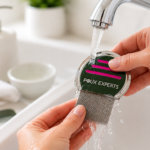
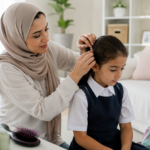
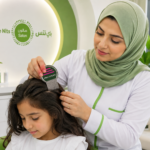
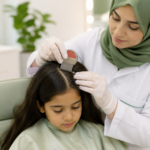
Regularly Check for Lice: Prevention starts with early detection. Make it a habit to regularly check the scalp and hair for signs of lice or nits. Use a fine-toothed comb to carefully inspect small sections of hair, particularly around the nape of the neck and behind the ears, where lice and their eggs are most likely to hide.
Maintain Good Hygiene Practices: Encourage good hygiene habits, such as regular hair washing with a quality lice-preventing shampoo. Cleanliness can help reduce the risk of lice infestation and prevent the spread to others.
Avoid Sharing Personal Items: Lice can spread by sharing personal items like hats, hairbrushes, combs, and headphones. Advise your children not to share these items with others, especially during lice outbreaks.
Use Essential Oils: Certain essential oils, such as tea tree oil, lavender oil, and eucalyptus oil, are known for their natural insect-repellent properties. Dilute a few drops of these oils in water and spray the solution onto the hair,scalp and clothes to repel lice.
Consult a Professional: If despite your best efforts, you are unable to control a lice infestation, consider seeking help from a healthcare professional and lice removal specialist They can provide guidance on treatment options and offer professional lice removal services.
Avoid Head-to-Head Contact: Advise against activities that involve direct head-to-head contact, such as hugging or lying on shared pillows or cushions. Minimising contact reduces the risk of lice transmission.
By following these tips and incorporating preventive measures into your routine, you can significantly reduce the risk of lice eggs hatching in the hair and prevent the spread of infestations. Remember that early detection and prompt action are essential to effectively managing lice outbreaks and keeping the scalp and hair lice-free.
Conclusion:
Preventing lice infestation in the hair requires a combination of vigilance, hygiene practices, and preventive measures. By incorporating these strategies into your hair care routine and contacting professional lice removal treatment when necessary, you can effectively protect yourself and your family from lice infestations. Remember to stay proactive and consistent in your efforts to maintain lice-free hair and scalp health.